

AILE Planet

Our commitment to the planet

The most powerful technology on earth should leave the earth better than it found it. To us, that is not marketing. It is the job.

AI has a real environmental cost. We will not pretend otherwise.

Illustrative image: a young tree in warm morning light

A promise from our founder

I'm Henry. I built AILE so that people who feel behind on AI can feel capable instead of left out. That mission only means something if I am honest about the whole picture, including what this technology costs the planet we all share.

So here is my promise to you, in plain words. We will measure the energy and water behind what we build. We will cut what we can. We will pay to clean up the rest. And we will show you the receipts, even the ones that are not flattering.

We are small and early, so our footprint is small and early too. But the habits we build now are the ones we will keep when we grow. I would rather start honest than start impressive. Thank you for caring about this with me.

Henry BendicksonFounder of AILE

The footprint, in the open

Two things are true at once: AI is genuinely useful, and it costs energy and water to run. One prompt is tiny. Across the whole industry it is not: Google reports its emissions 81% above its 2019 baseline, and Microsoft's rose 25% in the last year alone, driven by the data center buildout. Here are real, sourced numbers, then what they mean for AILE.

AI in general

0.24 Wh

Energy for one typical AI prompt

Google's measured median text prompt, about nine seconds of TV, and 33x less energy than a year earlier. Independent estimates land close (Epoch AI, about 0.3 Wh). Long, reasoning, and video prompts cost far more.

Source: Google

0.26 mL

On-site water for one typical prompt

Google's measured median, about five drops of cooling water. That counts on-site water only: across US data centers, the water consumed generating their electricity is about 12x what they evaporate on site (Berkeley Lab). The boundary you count is the whole debate.

Source: Google

945 TWh

Where data center electricity is headed by 2030

Up from about 415 TWh in 2024, roughly 1.5% of world electricity, heading toward nearly 3% by 2030, about Japan's total use today. AI is the main driver. IEA.

Source: IEA

AILE specifically

Pending

AILE's own monthly AI plus hosting footprint

We have not measured it yet. We publish the figure and method at launch, then update it quarterly.

Estimate, pending verification

100%

Of our measured footprint, our pledge to fund for removal

The commitment, not a current claim. It goes live the moment we launch and start measuring.

Estimate, pending verification

See the sources

What one prompt costs, and what it adds up to

AILE is a learning app, so let us teach this instead of sloganeering. One AI prompt is tiny. Multiply it by how often we all prompt, and it gets real. Both are true. Inside AILE there is a whole free course on this, AI and the Planet, that teaches you to read these numbers, boundaries and all.

0.24Wh

Energy

0.26mL

Water

0.03g CO2

Carbon

In plain terms: Less than nine seconds of watching TV.

How to read this. Based on Google's measured median AI text prompt (0.24 Wh, 0.26 mL on-site water, 0.03 g CO2e), scaled linearly. Medians hide a lot: long, reasoning, and video prompts cost far more, and counting the water and carbon behind the electricity raises every number. This is to build intuition, not to alarm or downplay. Source.

Our commitments, with dates

Not vague intentions. A real plan, tied to clear moments, that we report on every quarter, even when the numbers are not flattering.

  1. Reduce first

    Live now

    In place now

    We cut the footprint at the source before we offset a single gram.

    • Pick the smallest model that does the job well, not the biggest by default.
    • Cache and reuse results so we are not recomputing the same lesson.
    • Right-size compute and run on lower-carbon hosting regions.
  2. Measure and clean up what we use

    At launch

    First measured footprint and removal receipt within 30 days of launch

    We measure our AI and hosting emissions and fund high-quality removal.

    • Estimate emissions from our real usage, with a published method.
    • Fund vetted, permanent carbon removal, not the cheapest credits we can find.
    • Show the number and the receipts, even when they are small.
    See the receipts
  3. 1% of revenue, pledged

    At launch

    Before our first dollar of revenue

    From our first dollar of revenue, 1% goes to environmental nonprofits.

    • A formal, audited pledge, not a vague promise.
    • It scales honestly: more revenue means more given, automatically.
    • Applied from launch, the moment AILE earns anything.
  4. Verified restoration

    At launch

    Within our first year

    We fund monitored nature restoration, and we call it restoration, not a magic offset.

    • A real partner with on-the-ground monitoring, chosen and named at launch.
    • Photo and GPS receipts for what our support funds.
    • Framed honestly: restoration is good on its own, not a license to pollute.
  5. Report in the open

    Ongoing

    Every quarter, in public

    We publish an updated footprint and what we funded, even when the numbers are not flattering.

    • A standing quarterly update, not a one-time splash.
    • Bad quarters get published too.

What we will not do

The fastest way to look like greenwashing is to make claims you cannot back. So here is what we promise to avoid.

  • No vague buzzwords like eco-friendly or green AI with nothing behind them.

  • No cheap junk offsets bought just to slap carbon neutral on the page.

  • No claim we cannot show you a receipt or a source for.

  • No hiding bad numbers. We publish updates even when they are not flattering.

Even this page has a footprint

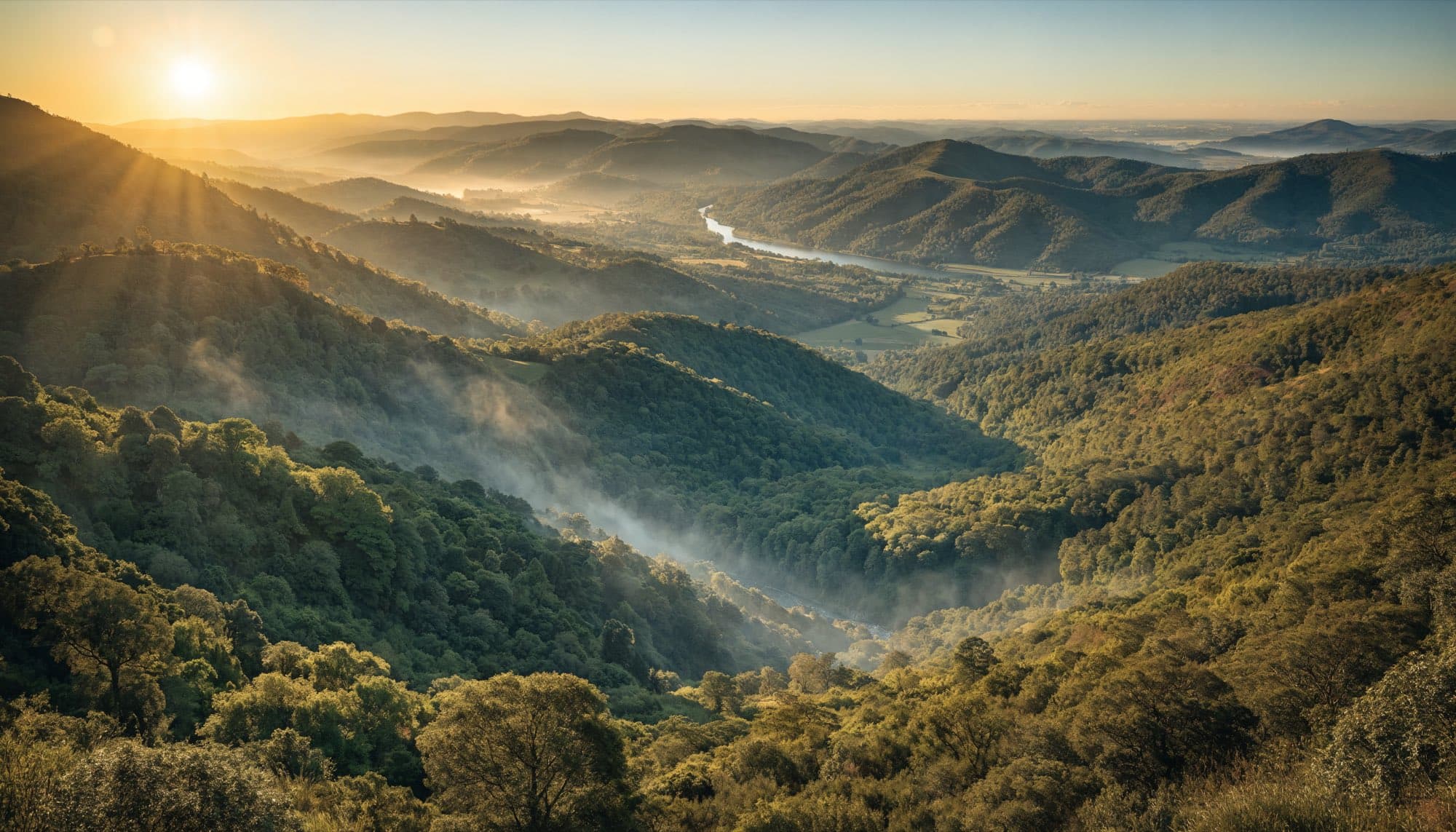
This page uses AI-generated imagery, which took energy and water to make, like everything else in AI. We estimate it and cover it the same way we cover the rest: measure, reduce, and fund removal. These images are artistic, not photos of real projects. When we fund real restoration, you will see the real photos.

Receipts and cadence

We are early and pre-launch, so this is honest about where things stand. We review and update these commitments every quarter.

Status, as of July 2026

Pre-launch. Reduce and measurement practices are in place now. Offsetting, the 1% pledge, and a restoration partner are chosen, funded, and named here at launch.

Next review: October 2026.

Carbon removal partner (to be named at launch)Named at launch
Restoration partner (to be named at launch)Named at launch
Revenue pledge (to be named at launch)Named at launch

Sources and method

The AI-in-general figures above are published numbers from primary sources, linked below with dates. Boundaries differ between them: on-site versus full supply chain, market-based versus location-based carbon, median versus average. We name the boundary instead of mixing numbers, and where credible sources disagree, we say so. Most of the industry still publishes nothing: ten of thirteen major AI developers disclosed zero environmental data in the 2025 Foundation Model Transparency Index. AILE's own footprint is not measured yet, so we show no made-up number for it. We publish our method and our real figures at launch, then update quarterly.